Showing 10 results from a total of 603
September 7, 2026 | Issue 79
Is our planet, and the life on it, unique? Several projects are being launched and planned to find out.
Ages: 14-16, 16-19; Topics: Astronomy / space, Physics
September 7, 2026 | Issue 79
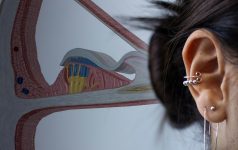
Your ear can detect movements smaller than atoms and turn them into music, voices and laughter. How does it work?
Ages: 14-16; Topics: Biology, Health
September 7, 2026 | Issue 79
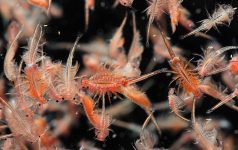
Explore Mars in the classroom through accessible experiments with Artemia, linking astrobiology, aquatic ecology, light responses, and scientific inquiry.
Ages: 11-14, 14-16; Topics: Astronomy / space, Biology, Earth science
September 7, 2026 | Issue 79
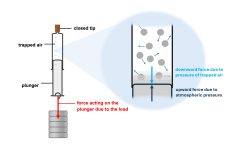
Challenge your students’ misconceptions about suction by using a simple gas syringe to demonstrate the impressive power of atmospheric pressure and pressure differences!
Ages: 14-16, 16-19; Topics: Physics
September 7, 2026 | Issue 79
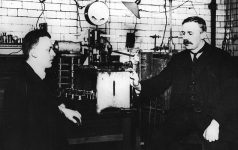
Following Rutherford’s steps to see inside the atom.
Ages: 14-16, 16-19; Topics: Physics, Science and society
September 7, 2026 | Issue 79
Science is becoming increasingly open. In this article, we show you how to make use of this and bring authentic research into the classroom.
Ages: <11, 11-14, 14-16, 16-19; Topics: General science, Physics, Science and society, Resources
September 7, 2026 | Issue 79
Gender stereotypes are deeply incorporated in our language. Large Language Models (LLM) could either amplify or fight these biases.
Ages: 11-14, <11, 16-19, 14-16; Topics: Careers in STEM, General science, Science and society, STEAM
September 7, 2026 | Issue 79
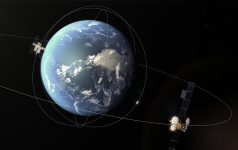
Over 15 000 satellites are currently orbiting Earth. Do you know what it takes to keep them up there?
Ages: 11-14, 14-16, 16-19; Topics: Astronomy / space, Engineering, Physics, Sustainability
June 11, 2026 | Issue 78
Teachers are central to any effort to get more girls interested in STEM. Yet supporting them often comes second to supporting the students.
Ages: 11-14, 14-16, 16-19; Topics: Science and society, Careers in STEM, Events, Resources
June 11, 2026 | Issue 78
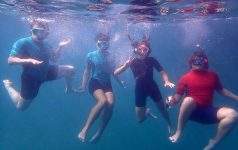
What does becoming a Blue School look like? Three European projects show how students investigate water and ocean issues.
Ages: 11-14, 14-16, 16-19; Topics: Earth science, General science, Science and society, Sustainability, Resources