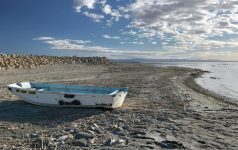
Most people know that the Moon and the Sun cause the tides, but few understand why we get two high tides each day, or why a tidal bulge forms on the opposite side of the Earth from the Moon.
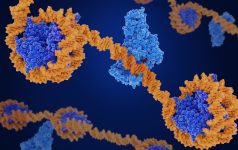
Our DNA is the blueprint of life, but epigenetics interprets how it is read. Learn how epigenetics controls our genes, enables life and shapes who we are.
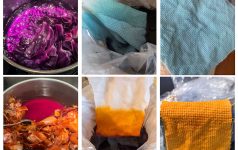
Towards sustainable and circular fashion: learn about different textiles, their characteristics, and how to identify and dye them using natural ingredients.
Cartoons are fun to watch but can also help inspire students and enhance their understanding of science. Here’s how to do that with some classics of European animation.
Ages: <11, 14-16, 11-14, 16-19; Topics: General science, Resources, Science and society
To mark Science in School’s 20th anniversary, we are launching a student writing competition inviting young people to explore the topic of sustainable and resilient tourism.
Ages: 14-16, 16-19; Topics: Earth science, Sustainability, Science and society, General science
To mark Science in School’s 20th anniversary, we are launching a student writing competition inviting young people to explore the topic of sustainable and resilient tourism.
Ages: 14-16, 16-19; Topics: Sustainability, Earth science, Science and society, General science
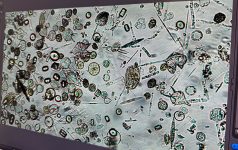
Turn your classroom into a marine science station and step into the lively world of plankton – tiny aquatic dancers under the microscope that quietly power food webs and even Earth’s ecosystems.