A Clone of Your Own?, By Arlene Judith Klotzko
June 12, 2007 | Issue 5To clone or not to clone? That is the question that the book A Clone of Your Own? sets out to investigate.





To clone or not to clone? That is the question that the book A Clone of Your Own? sets out to investigate.
ChemMatters is an award-winning magazine published quarterly by the American Chemical Society for secondary-school students.
“If you are not interested in how evolution came about, and cannot conceive how anyone could be seriously concerned about anything other than human affairs, then do not read it: it will only make you needlessly angry,” wrote John Maynard Smith about The Selfish Gene.

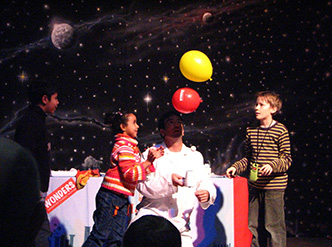
Peter Rebernik from the WONDERS project describes a ride in the Carousel of Science from Moscow to Lisbon, Reykjavik to Jerusalem. Perhaps even in your town!
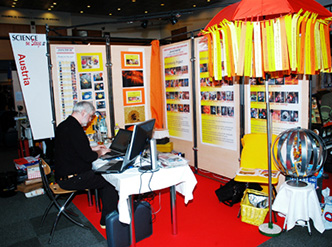
At Science on Stage 2, the European Science Teaching Awards 2007 were presented for the 12 best projects. Eleanor Hayes, editor of Science in School, describes how the jury made their difficult decisions
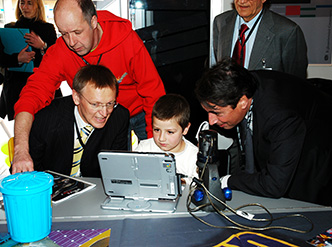
Science on Stage 2 took place during the first week of April and brought together some of the best science teachers in Europe. Montserrat Capellas describes some memorable moments.
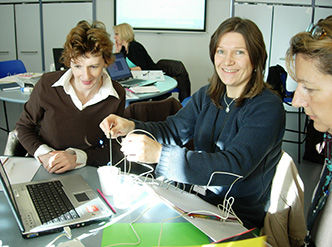
Anna Gawthorp describes the creation of the ambitious Science Learning Centres network to help UK teachers, technicians and classroom assistants to make UK science education world-class.

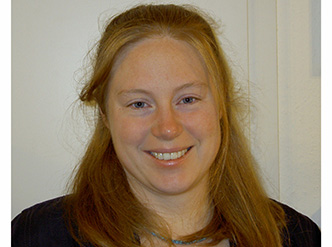
Jenny List, a young particle physicist working at DESY in Germany, leads her own research group to find out how the Universe works. She talks to Barbara Warmbein.

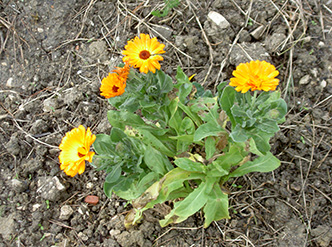
Isabel Plantier teaches biology and geology to 15-year-old students in Portugal. She has been teaching for 25 years and tells Sai Pathmanathan that time really does fly when you’re having fun.

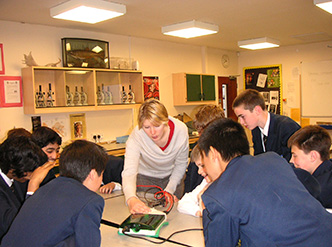
Naheed Alizadeh from Imperial College, London, UK, explains how and why the INSPIRE project is trying to make inspirational science lessons, clubs, and master classes regular features of the state school timetable in the UK.
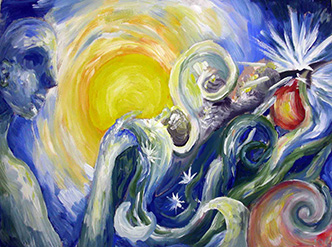
In Issue 3 of Science in School we invited you to join an international competition for school students and Catch a Star! Later, some of you helped to select winners by voting online for your favourite pictures. Douglas Pierce-Price from ESO reports on the results.
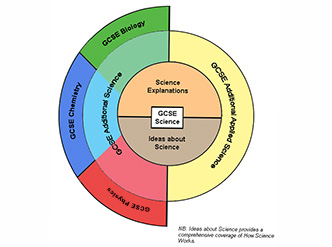
In September 2006, after a pilot phase, a new national curriculum for science was introduced for students aged 14-16 in England and Wales. Jenifer Burden explains how the new curriculum seeks to address both the scientific needs of all citizens, and the additional needs of future scientists.


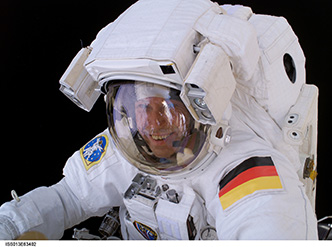
Shortly before Christmas 2006, German ESA astronaut Thomas Reiter returned from the International Space Station. A month later, Barbara Warmbein asked him about his trip, the experiments he did – and how to become an astronaut.


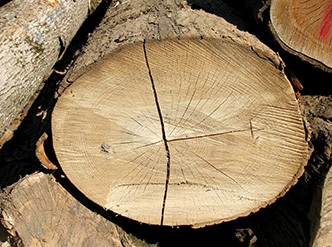
Darren Hughes from the Institut Laue-Langevin in Grenoble, France takes a look at stress. How can it be manipulated to make safer rails for trains or more efficient wind turbines – and what can we learn from neutron- and X-ray analysis?
We sit on them, wear them and cook with them: plastics are everywhere. Yet this very versatility makes it difficult to produce and dispose of plastics in environmentally friendly ways. David Bradley explains how researchers at the University of Manchester, UK, are working on a solution.


Ellen Raphael from the charity Sense About Science explains why peer review is so important in science, and describes how an existing guide is being adapted to meet the needs of science teachers.
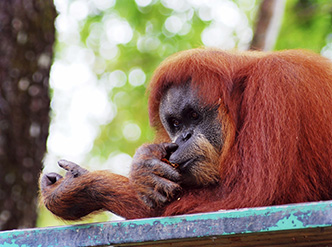
Paul Tafforeau from the University of Poitiers and the European Synchrotron Radiation Facility in Grenoble, France, explains what synchrotron X-ray studies of fossil teeth can tell us about the evolution of orang-utans – and our own origins.

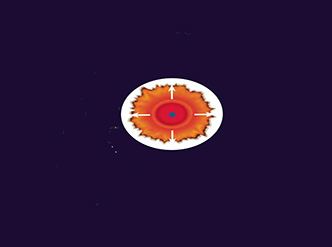
Does alchemy sound too good to be true? Paola Rebusco, Henri Boffin and Douglas Pierce-Price, from ESO in Garching, Germany, describe how creating gold – and other heavy metals – is possible, though sadly not in the laboratory.

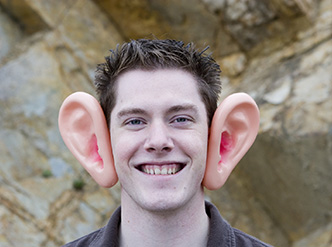
Do you have more than the average number of ears? Is your salary lower than average? When will the next bus arrive? Ben Parker attempts to convince us of the value of statistics – when used correctly.
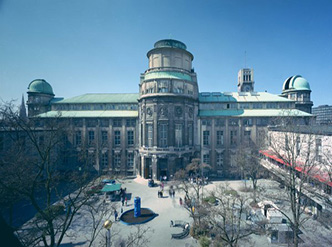
Elisabeth Schepers from the Deutsches Museum in Munich, Germany, introduces a school programme linking climate change and the future of traffic technology.

Caroline Molyneux, from Balshaw’s Church of England High School, UK, explains how she kick-starts her classes and helps her students remember certain lessons, facts or concepts.
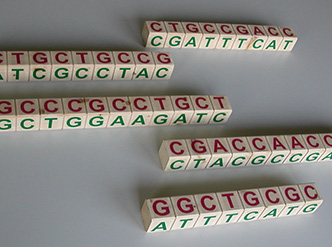
Fed up with explaining genomes, genes and proteins? Why not get your students to figure it out for themselves using Johan Leveau’s DNA puzzle?

Germany, like many other European countries, has difficulties attracting women into science. Diana Schimke from the University of Ulm, is working improve matters by putting schoolgirls directly in contact with women scientists.
The most exciting recent education event for me was Science on Stage, EIROforum’s international teaching festival. I enjoyed meeting many of the 500 teachers attending from 28 countries – listening to their suggestions, hearing about their experience and marvelling at their innovative teaching…