Science on a shoestring: inspiring experiments with everyday items
Low cost, high impact: try these creative and engaging experiments that use inexpensive everyday materials to bring curriculum science to life.



Article of the week
Imagine sterilizing kitchen surfaces and hospital instruments, washing fruits and vegetables, sanitizing hands, or rinsing mouths – all achievable with a single eco-friendly solution: ‘plasma-activated water’ (PAW). Rita Agus, a PhD student at the Swiss Plasma Center, is deeply engaged in…
Read more
Low cost, high impact: try these creative and engaging experiments that use inexpensive everyday materials to bring curriculum science to life.
Ready to bring circular economy concepts to your classroom and teach your students hands-on STEM and digital skills? Explore Girls Go Circular!
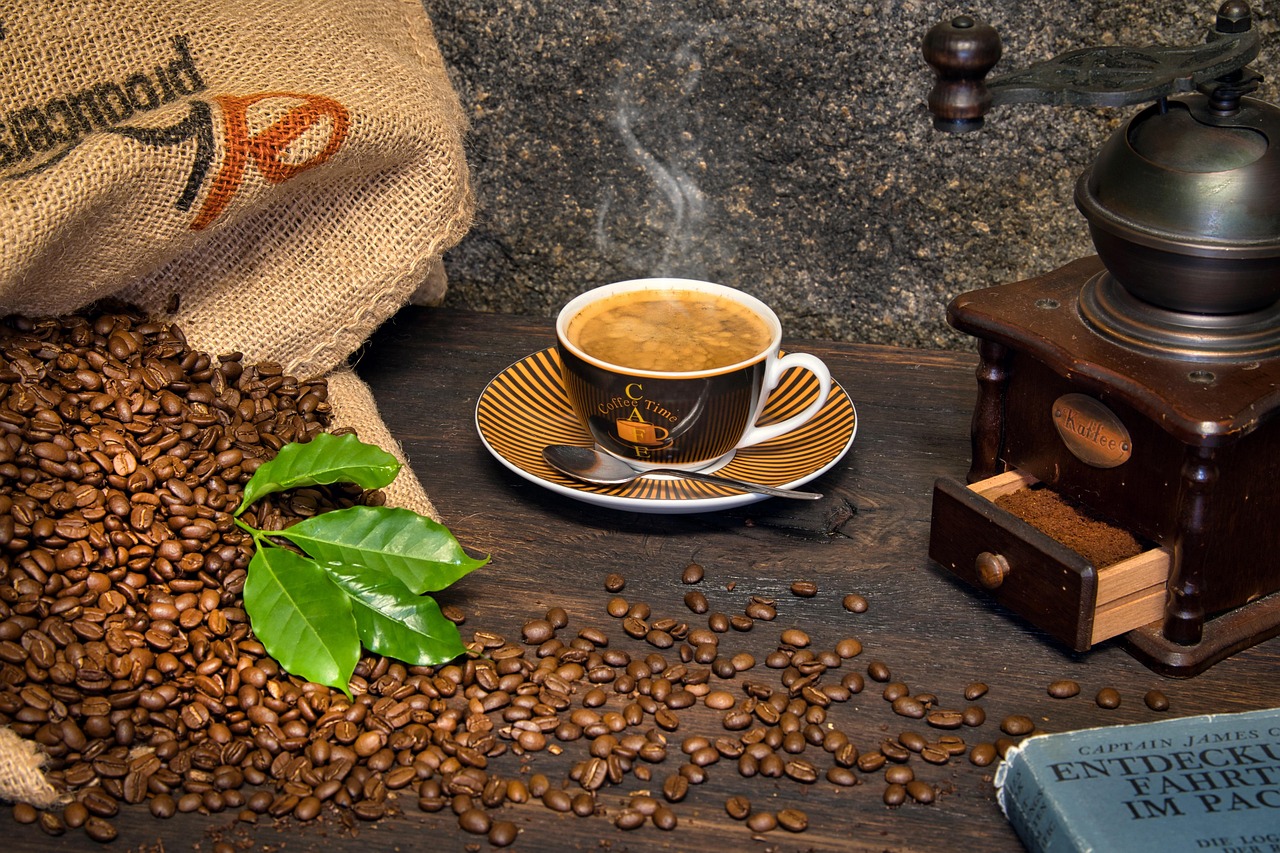
Circle of life: Explore sustainability, the circular economy, and chemical analysis by evaluating coffee waste as a potential soil enhancer.
We cover a wide range of scientific topics and many articles are additionally available as translations in different European languages.

Explore cutting-edge science and real-world applications.
Discover projects, people, and resources.

Find ideas and teaching materials for classroom activities.
Articles from previous issues
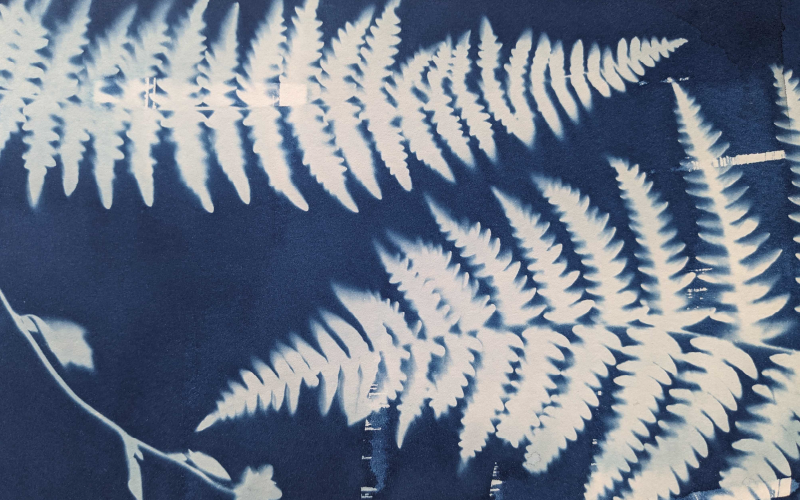
Try a project blends chemistry, art, and peer learning, as secondary school students teach younger students how to create nature-inspired cyanotype prints.

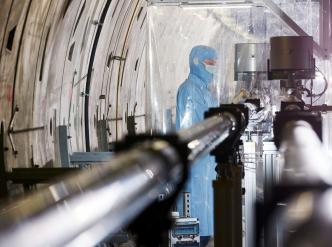
Take a closer look at the construction of European…

Should we believe what science tells us? A philosopher of science comments on teachers’ responses to this challenging…


Discover free events and activities offered by the EIROforum members and other non-profit groups.
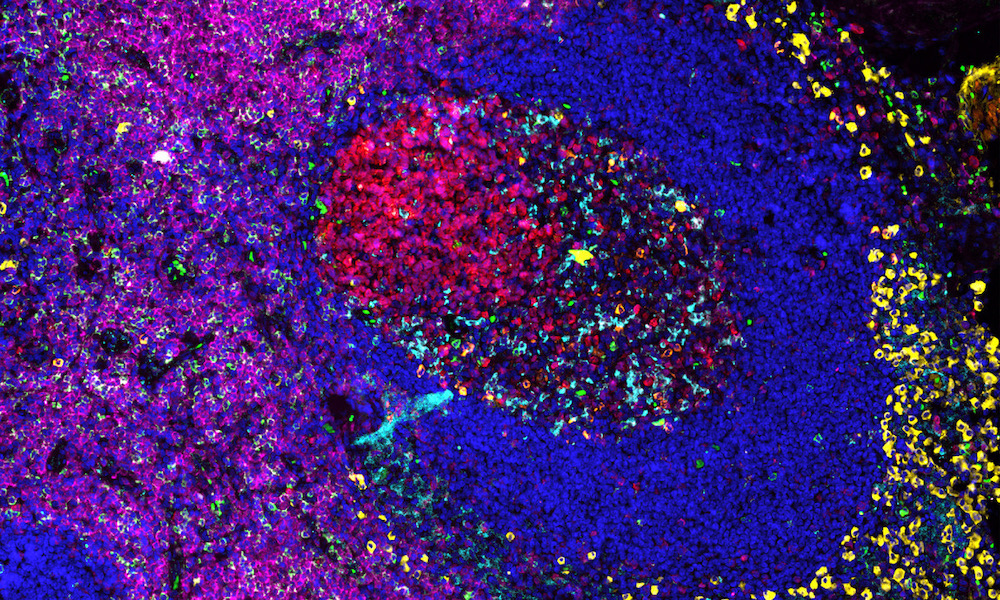
EMBL invites teachers to join this free virtual course for an overview of cell biology and omics, and inspiration for teaching the topic in the classroom. It runs from 29 Sept to 12 Oct 2025 and offers a mix of live sessions and self-paced materials
Do you have an engaging classroom activity to share with other teachers? Is there an interesting scientific topic that you could explain to STEM teachers and their students? We welcome submissions from teachers and scientists.
Would you like to help ensure that our content is interesting, inspiring and useful to STEM teachers? Consider joining the Science in School teacher reviewer panel. There is no obligation; just send us an email to express your interest.
If you find an article interesting or useful, perhaps you'd consider translating it into your native language? This really helps to increase the reach of our content so that as many teachers as possible can benefit from it.