The Wonder of Genetics: The Creepy, the Curious, and the Commonplace, by Richard V. Kowles
May 22, 2012 | Issue 23The Wonder of Genetics is a user-friendly guide through the wonderful – and, to some, scary – world of genetics.



The Wonder of Genetics is a user-friendly guide through the wonderful – and, to some, scary – world of genetics.
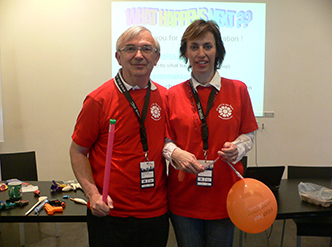
For two science teachers from opposite ends of Europe – David Featonby and Zuzana Ješková – Science on Stage was the beginning of an inspiring and enjoyable collaboration.

Physics Education Technology (PhET to its friends) is the slick but not very meaningful title of a site that offers a wide range of excellent interactive physics simulations for secondary-school and university students.

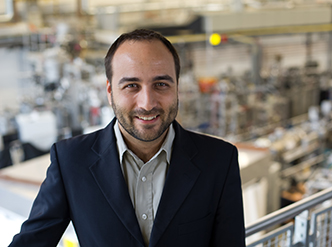
Physicist Adrian Mancuso works at the cutting edge of 3D imaging, at what will be Europe’s newest and brightest X-ray facility.


Holding this book in my hands as I boarded what would be an eight-hour flight, I planned to read the modest 204 pages whilst airborne. When we landed, I had managed just 70, thanks to all the observation, thinking and note-taking that Inflight Science: A guide to the world from your airplane window…
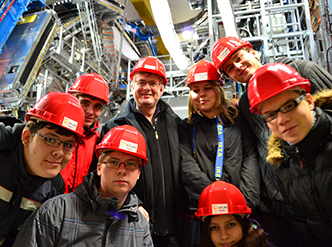
Physics teacher Günter Bachmann explains how his CERN residency has inspired both him and his students.
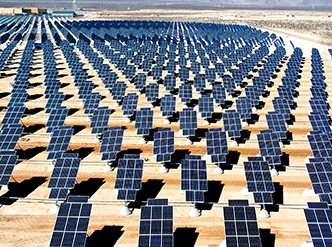
With oil reserves running out, silicon solar cells offer an alternative source of energy. How do they work and how can we exploit their full potential?


Male or female? What are the issues surrounding children for whom the answer is not clear? Researchers Eric Vilain and Melissa Hines hope to provide some of the answers.


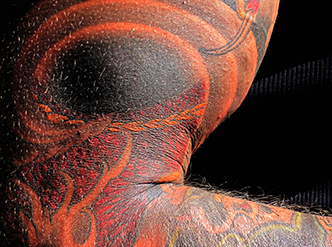
We all know that exercise makes us fitter and healthier – but what changes take place in our cells to make this happen?


Science in School is published by EIROforum, a collaboration between eight of Europe’s largest inter-governmental scientific research organisations. This article reviews some of the latest news from the EIROforum members (EIROs).

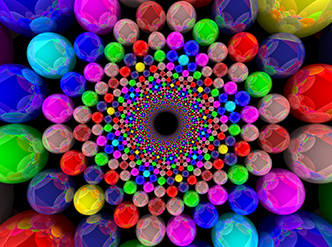
What makes viruses so virulent? Why do we enjoy music? Why is the Alhambra so beautiful? The answer? Mathematics!


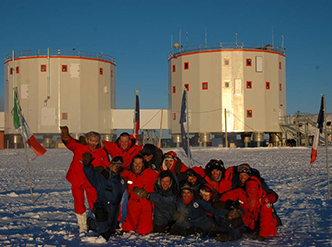
For scientists at the European Space Agency, a mission to Mars means going to Antarctica first.
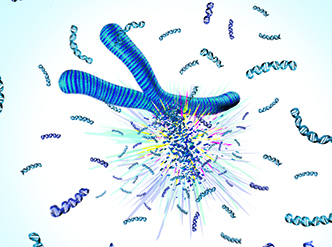
Brain tumours are one of the most common causes of death in children – and may begin when chromosomes are torn apart during cell division.


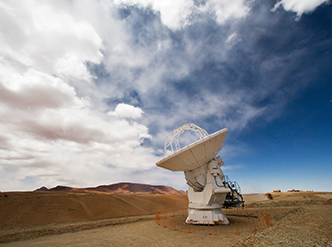
Astronomers use giant radio telescopes to observe black holes and distant galaxies. Why not build your own small-scale radio telescope and observe objects closer to home?

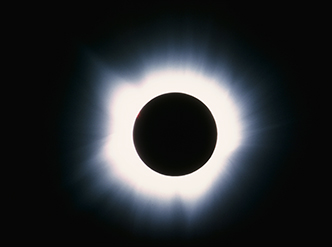
During an eclipse, the Sun or the Moon seems to disappear. What is happening? Why not explore this fascinating phenomenon in the classroom, with an easy to build model?

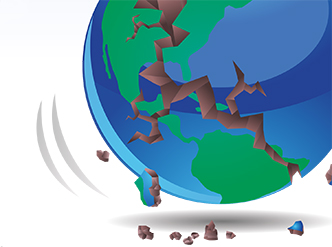
Did you know that you can use old hi-fi speakers to detect earthquakes? And also carry out some simple earthquake experiments in the classroom? Here’s how.
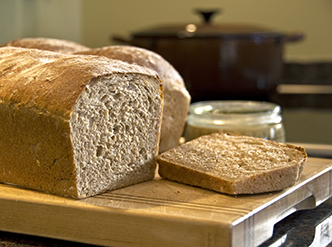
Something as everyday as bread can offer a surprising spectrum of interdisciplinary teaching opportunities.
What makes diamonds strong or a tiger stripy? Why is music uplifting or the Alhambra palace beautiful? The answer: mathematics.