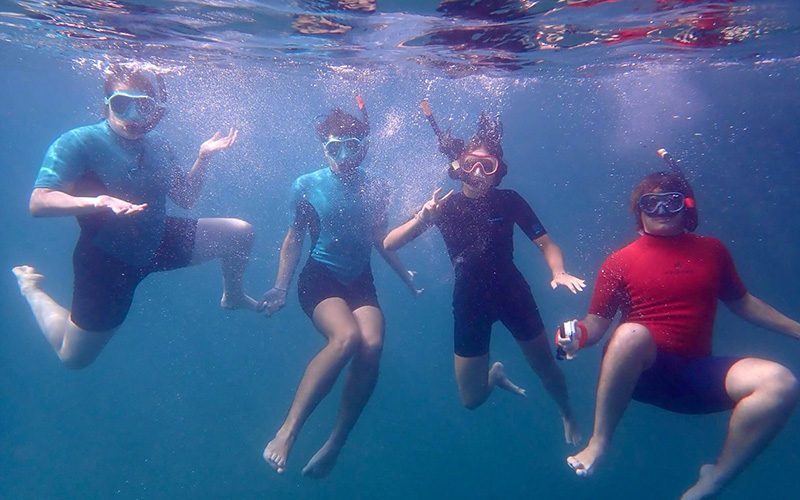
Blue Schools in practice: how European classrooms explore water and ocean challenges
What does becoming a Blue School look like? Three European projects show how students investigate water and ocean issues.


Science in School News
To mark Science in School ’s 20th anniversary, we are launching a student writing competition inviting young people to explore the topic of sustainable and resilient tourism. All details below are also available in our downloadable and printable flyer. What is it about? 2027 is set to be the…
Read more
What does becoming a Blue School look like? Three European projects show how students investigate water and ocean issues.
To mark Science in School’s 20th anniversary, we are launching a student writing competition inviting young people to explore the topic of sustainable and resilient tourism.
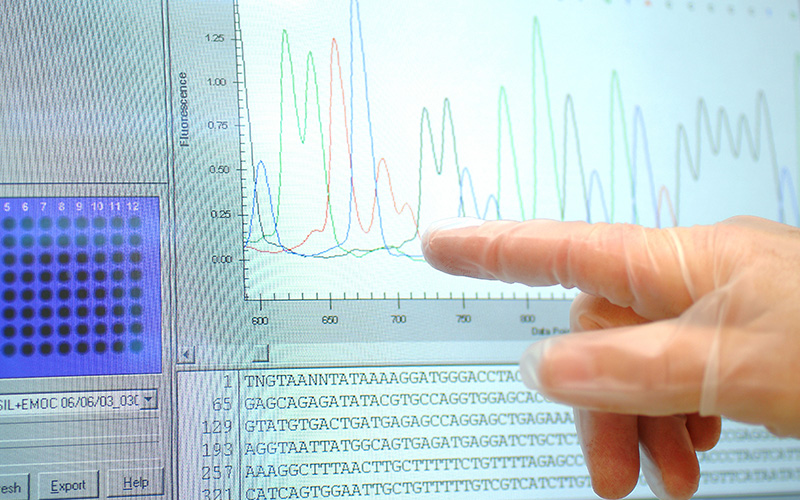
DNA-based methods such as PCR, gel electrophoresis and bioinformatics, provide a practical insight into virus research for students – applicable to COVID-19, bird flu and others.
We cover a wide range of scientific topics and many articles are additionally available as translations in different European languages.
Explore cutting-edge science and real-world applications.
Discover projects, people, and resources.

Find ideas and teaching materials for classroom activities.
Articles from previous issues
Stacking up: use common household items like coins and paper explore one of the most significant scientific discoveries of the 19th century.

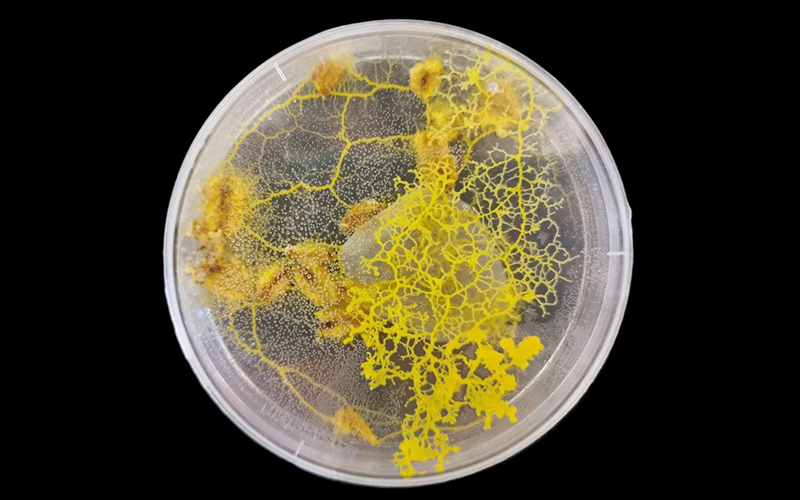
What are slime moulds? And what do they eat for breakfast? Discover these fascinating giant microbes and explore chemotaxis and the scientific method with these slimy experiments.
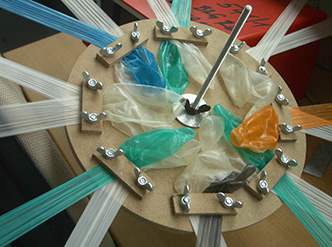
Can you imagine building a motor from latex gloves? Physics teachers Ludwig Eidenberger and Harald Gollner, and their students Florian Altendorfer…

Discover free events and activities offered by the EIROforum members and other non-profit groups.
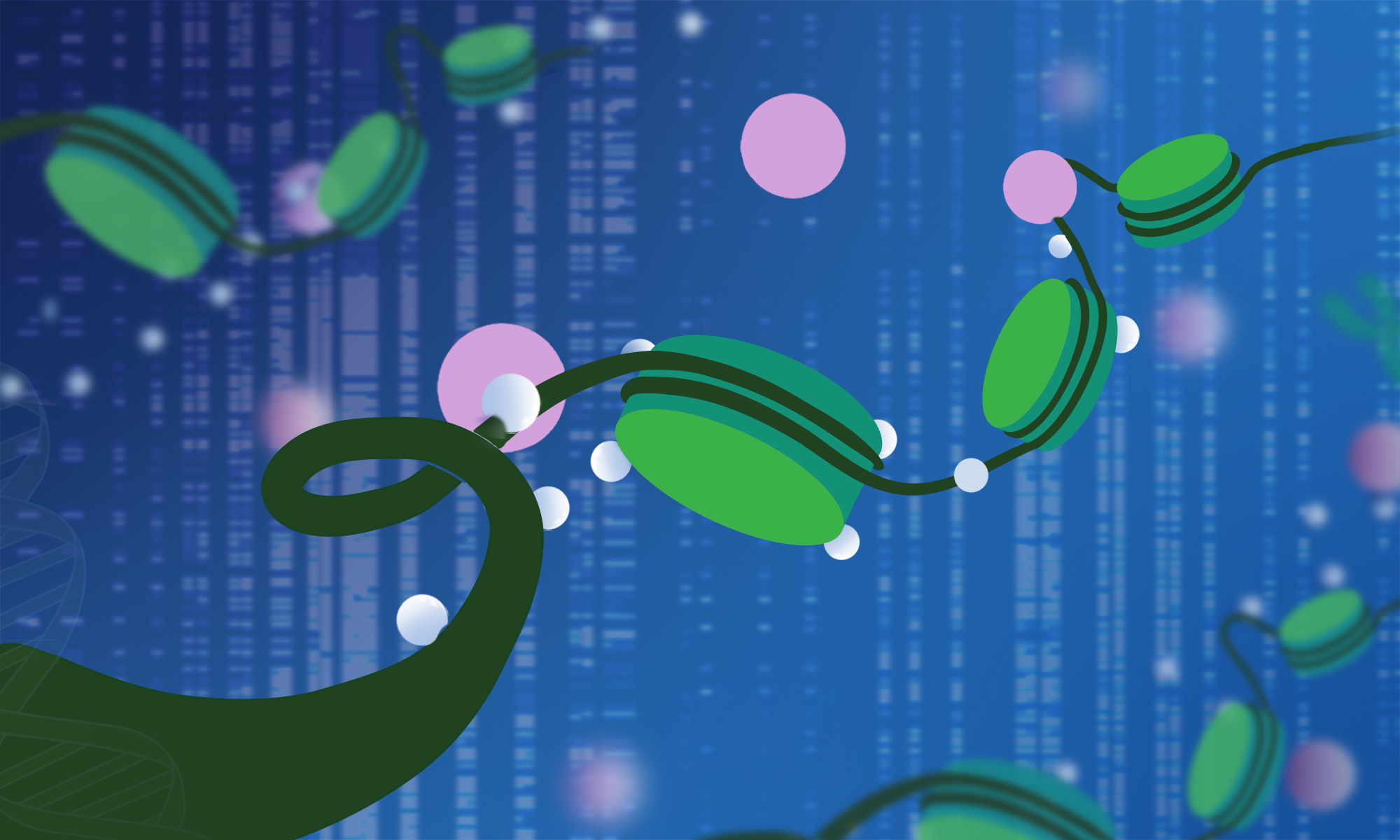
EMBL invites science educators to join a free virtual course, Epigenetics for Educators, running from 5 to 18 Oct 2026. It offers a mix of live sessions and self-paced materials. Applications are open until 20 Sep. Course website: https://www.embl.org/ells/training/epigenetics-for-educators/
Do you have an engaging classroom activity to share with other teachers? Is there an interesting scientific topic that you could explain to STEM teachers and their students? We welcome submissions from teachers and scientists.
Would you like to help ensure that our content is interesting, inspiring and useful to STEM teachers? Consider joining the Science in School teacher reviewer panel. There is no obligation; just send us an email to express your interest.
If you find an article interesting or useful, perhaps you'd consider translating it into your native language? This really helps to increase the reach of our content so that as many teachers as possible can benefit from it.