Cartoons are fun to watch but can also help inspire students and enhance their understanding of science. Here’s how to do that with some classics of European animation.
Ages: <11, 14-16, 11-14, 16-19; Topics: General science, Resources, Science and society
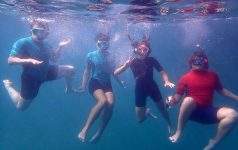
To mark Science in School’s 20th anniversary, we are launching a student writing competition inviting young people to explore the topic of sustainable and resilient tourism.
Ages: 14-16, 16-19; Topics: Earth science, Sustainability, Science and society, General science
To mark Science in School’s 20th anniversary, we are launching a student writing competition inviting young people to explore the topic of sustainable and resilient tourism.
Ages: 14-16, 16-19; Topics: Sustainability, Earth science, Science and society, General science
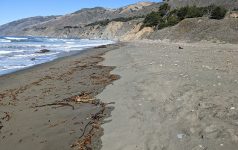
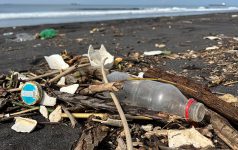
Turn a beach visit into a science adventure! Explore the animals, plants, shells, and even litter stranded on the beach to reveal the secrets of marine life and ocean dynamics.
Ages: 11-14, 14-16, 16-19; Topics: Biology, Earth science, General science
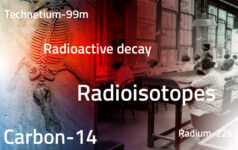
How to teach radioactive decay and radioisotopes to students who feel that equations are boring? Here are two inexpensive and captivating activities to apply in your classroom!