Martian habitats in the classroom: testing Artemia
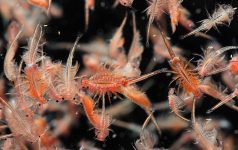
Explore Mars in the classroom through accessible experiments with Artemia, linking astrobiology, aquatic ecology, light responses, and scientific inquiry.
Showing 4 results from a total of 4
Explore Mars in the classroom through accessible experiments with Artemia, linking astrobiology, aquatic ecology, light responses, and scientific inquiry.
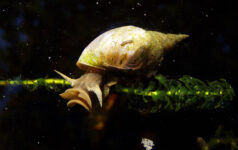
Using pond snails as a low-cost, hands-on model to teach biology and environmental science in secondary schools.
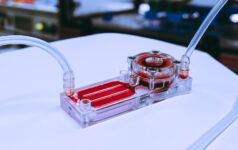
Organ-on-chip technology can simulate key properties of human physiology. Advanced systems could even one day be used to replace animals in medical research.
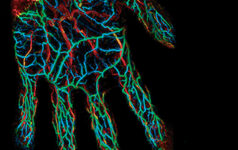
An advanced technology that combines high-frequency sound waves with laser light is giving researchers and clinicians a new way of seeing living tissue.
Martian habitats in the classroom: testing Artemia
Snail-powered science: hands-on biology for active classrooms
Organ-on-chip systems and the 3Rs
Photoacoustics: seeing with sound