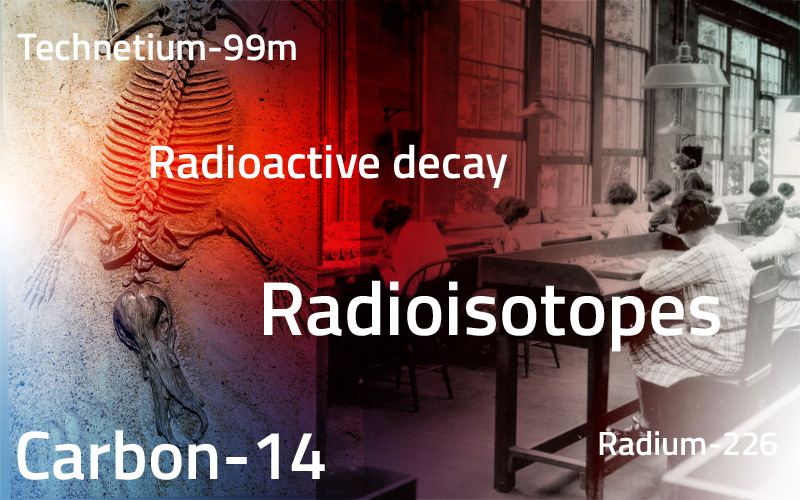
Teach radioisotopes and decay interdisciplinarily at a low cost
How to teach radioactive decay and radioisotopes to students who feel that equations are boring? Here are two inexpensive and captivating activities to apply in your classroom!



Article of the week
2025 is the International Year of Quantum Science and Technology (IYQ), which recognizes 100 years since the development of quantum mechanics and aims to build public awareness of the importance of quantum science. One important application is quantum computing, but what exactly is quantum…
Read more
How to teach radioactive decay and radioisotopes to students who feel that equations are boring? Here are two inexpensive and captivating activities to apply in your classroom!
Meet the universe’s ultimate drama queens – stars that steal, explode, and shine brighter than ever before.

Science in School arrived at its new home: CERN, Geneva!
We cover a wide range of scientific topics and many articles are additionally available as translations in different European languages.

Explore cutting-edge science and real-world applications.
Discover projects, people, and resources.

Find ideas and teaching materials for classroom activities.
Articles from previous issues

We all know that DNA → RNA → protein. But did you know that some genes don't encode proteins but rather RNAs with important cellular functions?



When we sleep, are we just passively recovering from a hard day, or is there something more going on? Angelika Börsch-Haubold considers the…



Bring students and scientists together for an evening of multilingual scientific…

Discover free events and activities offered by the EIROforum members and other non-profit groups.
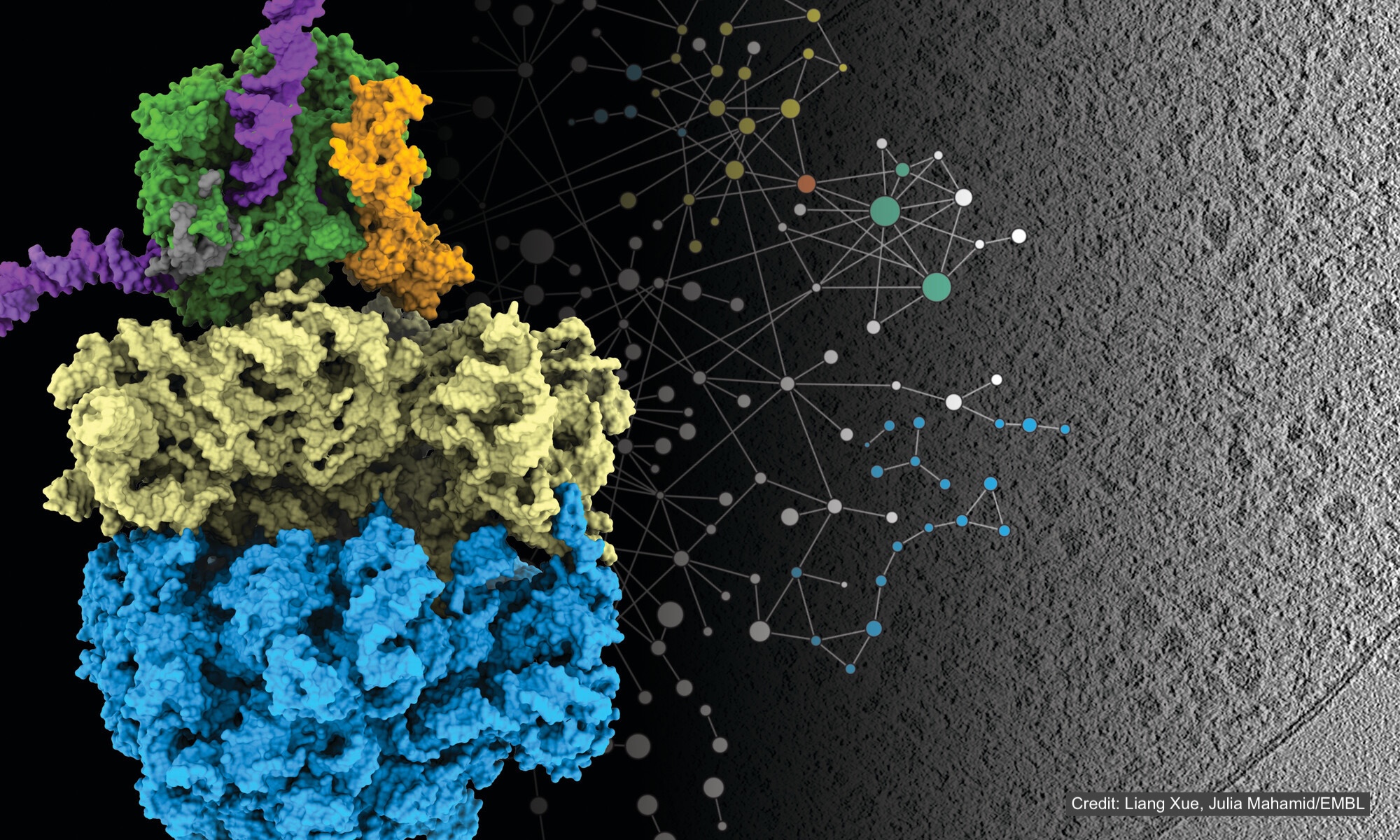
Introduce your students (15+) to cutting-edge science by joining the EMBL Insight Lecture with Dr Julia Mahamid on 16 December and explore how cryo-electron tomography reveals life’s hidden molecular machinery in stunning detail.
Do you have an engaging classroom activity to share with other teachers? Is there an interesting scientific topic that you could explain to STEM teachers and their students? We welcome submissions from teachers and scientists.
Would you like to help ensure that our content is interesting, inspiring and useful to STEM teachers? Consider joining the Science in School teacher reviewer panel. There is no obligation; just send us an email to express your interest.
If you find an article interesting or useful, perhaps you'd consider translating it into your native language? This really helps to increase the reach of our content so that as many teachers as possible can benefit from it.